
My Experience with Somatic Symptoms:

Hey there, lovely readers! Today, I want to share my personal journey with anxiety and how it has impacted my life. It’s important for me to talk openly about this topic because, for a long time, I felt like I was the only one struggling. But here’s the truth: if you think you’re alone in your mental health struggles, you’re not. So, grab a cup of tea, find a cozy spot, and let’s dive into my story.
Have you ever had a feeling of fear or nervousness that just wouldn’t go away? Maybe it was before an important presentation or before meeting someone new. This is known as anxiety and these feelings are a natural part of life and are a sign that your body is preparing for a challenging situation. However, when these feelings become overwhelming and start interfering with your daily life, they may indicate an anxiety disorder.
In this blog post, I would like to share my personal experience with anxiety and provide some valuable tips and tools that have helped me along the way. Anxiety is a common struggle that many of us face, and by opening up about my own journey, I hope to create a sense of connection and support for others who may be going through similar experiences. Before we get into my story, let’s look at the difference between anxiety, the normal emotion and anxiety disorder.
What exactly is anxiety, and how is it different from anxiety disorder?
Anxiety can be defined as “a feeling of worry, nervousness, or unease about something with an uncertain outcome” (American Psychological Association, 2021). It is a normal and often healthy emotion, but when it becomes excessive and prolonged, it can interfere with daily activities and cause significant distress, it may be a sign of anxiety disorder.
What are anxiety disorders?
Anxiety disorders are a group of mental health conditions that cause individuals to feel excessive fear or worry, often leading to avoidance behavior. Anxiety disorders can manifest in various ways, including somatic symptoms such as nausea, dizziness, and heart palpitations.
According to the National Institute of Mental Health, anxiety disorders are the most common mental illness in the United States, affecting over 18% of the population each year. Despite its prevalence, many people continue to struggle with anxiety in silence due to the stigma attached to mental health issues.
Symptoms of Anxiety Disorders:
Anxiety disorders can present in various ways, but the most common symptoms include:
- Persistent fear or worry
- Avoidance behavior
- Restlessness
- Sleep disturbances
- Increased heart rate
- Sweating or trembling
- Shortness of breath
- Somatic symptoms such as nausea and dizziness
Other symptoms may include feelings of restlessness, tension, or irritability, difficulty concentrating or staying focused, muscle tension or muscle aches, rapid heartbeat or palpitations, sweating or trembling, shortness of breath or a feeling of choking, nausea or abdominal discomfort, insomnia or trouble sleeping.
These symptoms can range from mild to severe and can significantly impact a person’s daily life. It is essential to recognize these symptoms and seek professional help if you believe you may be experiencing an anxiety disorder.
*Psychiatry.org – What are Anxiety Disorders? (You can read about the different types of anxiety disorders and its symptoms on this site!)*

Stress vs. Anxiety: Deciphering Symptoms | Psych Central
My Experience with Somatic Symptoms:
I myself struggle with Generalized Anxiety Disorder (GAD) and mild depression. For years, I had been battling with GAD, but I was afraid to admit that some of my physical symptoms were rooted in underlying anxiety. It all began during my high school years when I would wake up feeling extreme nausea and dizziness, making it impossible for me to attend school. These episodes often occurred during my train rides to school or work. Little did I know, these were just a few examples of what are known as somatic symptoms.
Somatic symptoms are physical or bodily sensations that a person experiences, often linked to psychological distress, anxiety, or stress. They can manifest as headaches, fatigue, muscle tension, digestive issues, and many other physical sensations. At the time, I had no idea that these feelings were related to anxiety. I was too afraid to admit it to myself, let alone share it with others.
The Weight on My Chest:
Fast forward to 2015, when I felt an overwhelming weight on my chest and couldn’t stop overthinking every little situation in my head. It became so intense that I couldn’t even speak without fearing I would say something wrong. Now, I know what you’re thinking – we all experience moments of anxiety. And you’re right, we do. But there’s a stark difference between feeling anxious in certain situations and experiencing those feelings persistently throughout the day. Those with anxiety understand the constant stream of scenarios playing in their heads from morning till night.
While my friends complained about normal everyday things like their relationships, I found myself consumed by an entirely different set of worries. The smallest things would nag at me, and I couldn’t shake away the feelings that accompanied them. It often felt as if my mind was stuck in an endless loop, replaying every minor detail that others wouldn’t even understand or notice. There were times when I didn’t even want to speak because I feared I would come across as annoying or burdensome.
While my friends said goodnight between 9 and 12 am, I found myself staying up, consumed by thoughts of everything I thought I had done wrong over the past days, which turned into weeks and months. This relentless cycle kept me awake, and I reached a point where I felt completely alone, even in the presence of friends and family.
Taking a Brave Step:
I remember one day, feeling helpless, I decided to visit a doctor alone. I underwent assessments and walked into the appointment not knowing what else to do. It was the first step towards finding answers and regaining control over my life. I vividly recall coming home, overthinking every word I had said to the therapist. I even contemplated calling her to fix any perceived mistakes. However, what I’ve come to realize is that it doesn’t matter what she thinks. In all likelihood, she probably forgot what I said. I shouldn’t burden myself with unnecessary worries and kept reminding myself I’ll see her next week. It was hard and seeing her again helped.
Seeking Support and Growth:
Thankfully, I don’t worry every second like I used to. Through therapy, self-reflection, and self-care, I’ve learned to manage my anxiety and take control of my life. It hasn’t been an easy journey, but it’s one I’m grateful for. I’ve discovered valuable tools and techniques that have made a tremendous difference.
Watch this song by Linkin Park:
Heavy [Official Music Video] – Linkin Park (feat. Kiiara) – YouTube
It’s no wonder when Kiara sings in the song, “I know I’m not the center of the universe, but you keep spinning ’round me just the same,” that many individuals resonate with the feelings of anxiety. When I first heard this son, it was so relatable and catchy, I kept playing it on repeat. Chester Bennington, the late musician from Linkin Park, openly struggled with anxiety before tragically taking his own life. One of their well-known songs, ‘Crawling,’ has been described as a perfect depiction of what anxiety feels like.
Anxiety, as depicted in Linkin Park’s music, can be a debilitating condition that affects both the mind and body. It’s important to remember that anxiety can manifest in many ways, including physical symptoms. If you’re experiencing anxiety, it’s crucial not to suffer in silence. Reach out for help and support. Various resources, including therapy, medication, and self-care strategies, are available to help you manage your symptoms and improve your overall quality of life.
Music is an amazing tool that we can use to better understand the impact of anxiety and find effective solutions for our mental well-being. By embracing the emotional power of music and sharing our personal experiences, we can dive deeper into the complexities of anxiety and discover pathways to healing and growth. Whether we find comfort in relatable lyrics or let the melodies whisk us away to a place of tranquility, music has the incredible ability to lift our spirits and create a sense of connection amidst the challenges of anxiety.
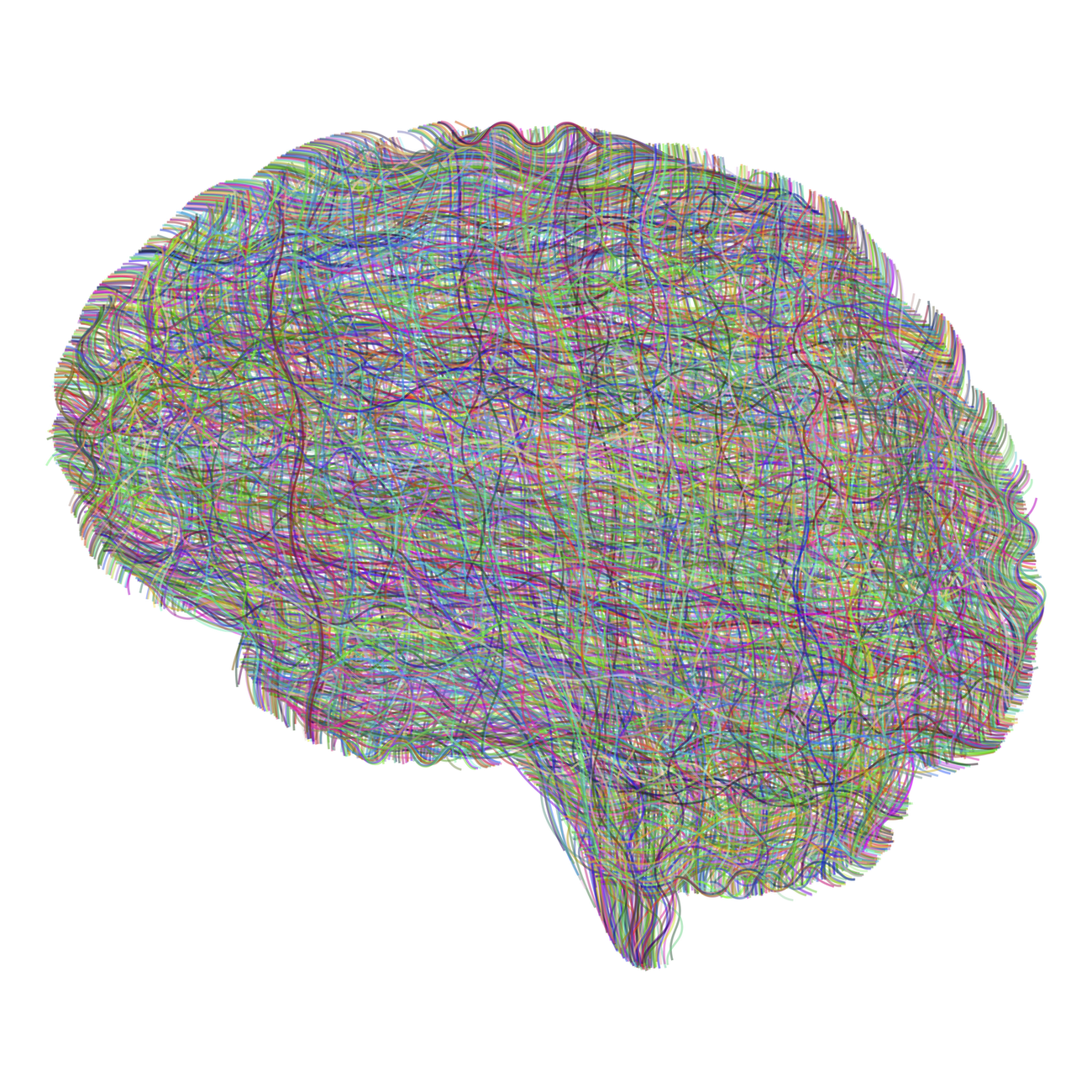
The sketch above illustrate how anxiety can take over an individual’s thoughts and emotions on a daily basis.
Here a Video of someone talking about their anxiety:
https://www.tiktok.com/t/ZTRwM4ShJ/
This TikTok video provides a helpful overview of some of the somatic symptoms that can accompany anxiety, such as stomach problems, sweating, and headaches.
Tips to Improve Mental Health
Now, I want to share some tips and tools that have helped me along the way. Remember, what works for me may not work for everyone, but I hope you find something useful:
- Seeking professional help (I started therapy in 2015, and it helped me tremendously!)
- Talking about my experiences (Sharing your thoughts and feelings with trusted friends or family members can provide valuable support)
- Practicing mindfulness techniques such as meditation and yoga (Incorporate meditation and yoga into your routine to cultivate a sense of calm and self-awareness)
- Trying to get adequate amount of sleep
- Eat possible healthier options or substitutions (I am not a healthy eater, so I try to substitute small things)
- Connecting with others and joining support groups
- Trying stress-reducing techniques such as deep breathing or progressive muscle relaxation
- Challenging negative thoughts with positive affirmations (I bring myself to the present moment. You can also practice positive affirmations and bring yourself to the present moment to counteract negative thinking patterns)
- Taking long walks, reading books, practicing henna! (You can use your creative outlet as a way to reduce anxiety)
- Started doing things I was always afraid to do (I began writing this blog post because I used to be afraid of sharing my thoughts and ideas with others. However, with the encouragement of my online friends, I pushed myself out of my comfort zone. I am grateful for their support and would like to take this opportunity to say thank you to all of them)
- Learning to say no and set healthy boundaries (Learn to say no and establish boundaries to protect your well-being and prioritize self-care)
* Note: I’m still practicing setting healthy boundaries myself! *
It’s important to remember that seeking help for mental health disorders is nothing to be ashamed of. If you think you may be struggling with an anxiety disorder, it’s important to talk to a mental health professional to receive a proper diagnosis and treatment plan.
Here are some additional tips that can help improve your mental health:
- Practice self-care activities such as yoga, exercise, or meditation
- Limit alcohol and drug use
- Get adequate sleep
- Eat a well-balanced diet
- Connect with others and join support groups
- Try stress-reducing techniques such as deep breathing or progressive muscle relaxation
- Challenge negative thoughts with positive affirmations
- Learn to say no and set healthy boundaries
In conclusion, mental health disorders are very real and can significantly impact a person’s daily life. Understanding the different types of anxiety disorders can help individuals identify symptoms and seek proper treatment. Remember, seeking help for mental health disorders is a sign of strength, not weakness. In her book, “The Anxiety Survival Guide for Teens,” Jennifer Shannon writes, “Anxiety wants you to listen to it, so it can control you. Don’t listen to it. You have the power to turn down the volume.” This quote highlights the importance of taking control of our thoughts and emotions and not letting anxiety control us.
If you’re struggling with anxiety disorder, remember that you’re not alone, and there is help available. There are various treatment options and with the right help and support, including therapy, medication, and lifestyle changes, that can help manage symptoms and improve overall well-being.
Let me know in the comment below, if you need additional tips or your experience with something that many don’t really understand. If you would like some tips on my journey, don’t hesitate to reach out!
Additionally, please let me know what other topics you would like to read and learn about. I have plenty of stories from my personal life to share.
Source:
Anxiety and Depression Association of America. (2021). Generalized Anxiety Disorder (GAD). https://adaa.org/understanding-anxiety/generalized-anxiety-disorder-gad
Smith, C.B. (2019). Anxiety and Self-Care. In Anxiety: The Missing Stage of Grief (pp. 70-71). Da Capo Lifelong Books.
Anxiety and Depression Association of America: https://adaa.org/
National Institute of Mental Health: https://www.nimh.nih.gov/health/topics/anxiety-disorders/index.shtml
Stubbs, B., Rosenbaum, S., Vancampfort, D., Ward, P. B., Schuch, F. B. (2017). Exercise improves outcomes of patients with anxiety disorders: A systematic review and meta-analysis. International Journal of Environmental Research and Public Health, 14(8), 892. doi: 10.3390/ijerph14080892
Additional Resources:
- National Alliance on Mental Illness (NAMI): NAMI is a non-profit organization that provides education, advocacy, and support for individuals living with mental health disorders. They offer resources such as support groups, educational programs, and a helpline. Website: https://www.nami.org/
- American Psychological Association (APA): The APA is a professional organization for psychologists that provides resources for individuals seeking help for mental health issues. They offer a therapist directory and a variety of publications on mental health disorders. Website: https://www.apa.org/
- Talkspace: Talkspace is an online therapy platform that offers affordable and convenient therapy services for individuals seeking help for mental health issues, including anxiety disorders. They offer both text and video therapy sessions. Website: https://www.talkspace.com/
- BetterHelp: BetterHelp is another online therapy platform that offers affordable and convenient therapy services for individuals seeking help for mental health issues, including anxiety disorders. They offer both text and video therapy sessions. Website: https://www.betterhelp.com/
Consider taking the time to explore and research these services to find the one that best suits your needs before using them. Additionally, there may be other mental health resources available in your community. Don’t forget to reach out to your support system as well.
 LifeUnscripted
Leave a comment